SUNCLEANER

Automated PV panel cleaning

Clean is power.

A cleaning system that lives on your array and runs on the schedule you set. No ladder, no technician on site, no phone call to book.

Built for small and medium installations, on panels you are about to install and on panels that have been up there for years.

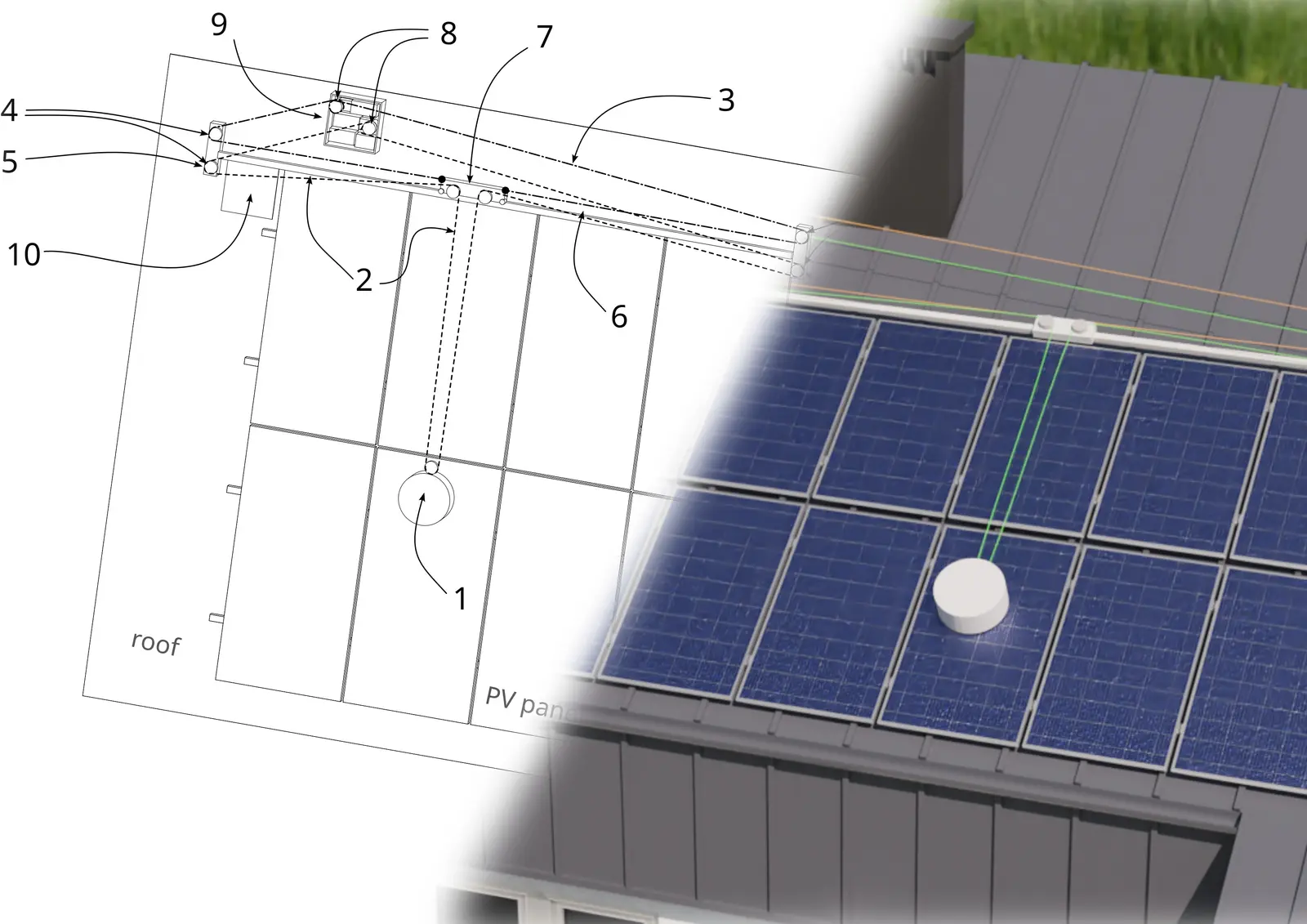
Technical drawing of the SunCleaner system installed along the top edge of a rooftop solar array, next to a render of the same installation

ARCHITECTURE B · RAIL-MOUNTED PASS

The system

It cleans the panels. You only decide how often.

Cleaning quality comparable to a specialised crew, on your terms, as often as the season demands. Like a robot vacuum, except it lives on your roof.

Schedule

Daily, weekly, monthly

Pick the rhythm that fits the site. After a storm or a dust deposit, run an extra pass. Change it whenever you want, from wherever you are.

Operation

Nobody on site

Fully automatic and remote controlled. No one climbs on the roof, no one needs to be home, nothing to remember and book.

Water

Very little, or none

The system cleans with minimal water, or with no water at all depending on the configuration. Clean energy stays clean.

Measured loss

Dirt is a slow leak in your yield.

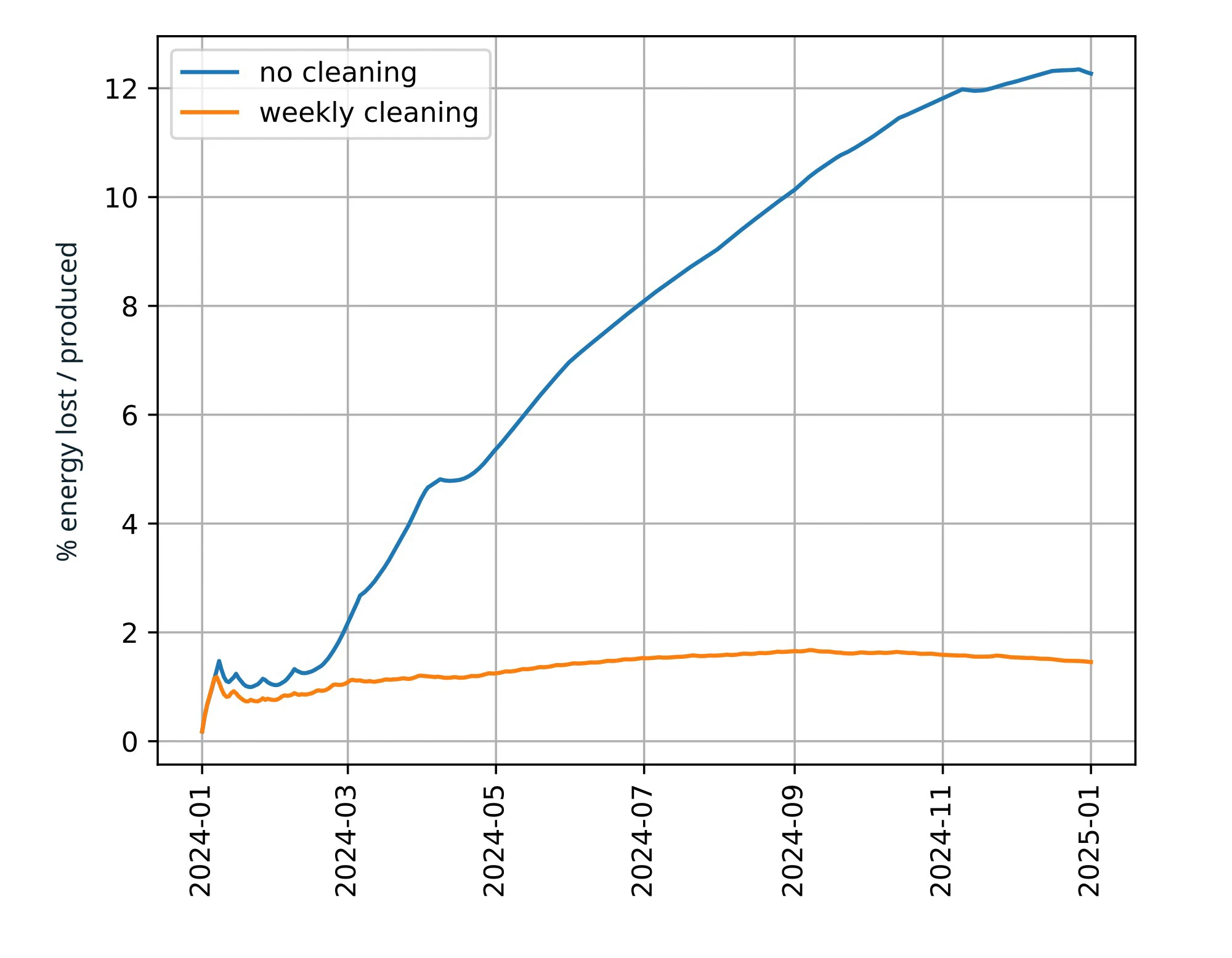
Dust, sand and air pollution settle on the glass and quietly cut what the array produces. The blue line is a year with no cleaning. The orange one is the same year, cleaned weekly.

10%

of a year's production lost to dirty panels — Johannesburg case study, run through our loss model

Chart of cumulative energy lost over one year: the no-cleaning curve climbs past 12 percent while the weekly-cleaning curve stays close to 1 percent

Comparison

Against on-call manual cleaning.

The alternative is calling a specialised crew and hoping you remember to call them again.

SunCleaner

  • Easy to install on new or existing solar arrays
  • Fully automatic and remote controlled
  • Frequent cleaning, so better output and longer panel life
  • Modular and adaptable to any setting

Manual, on call

  • Booked by phone, one visit at a time, with an operator on site
  • Mostly limited to industrial parks
  • Performance drifts between visits
  • Rarely suitable for private homes

The team

Three engineers behind the system.

Driven by purpose. Backed by expertise. Committed to a cleaner future.

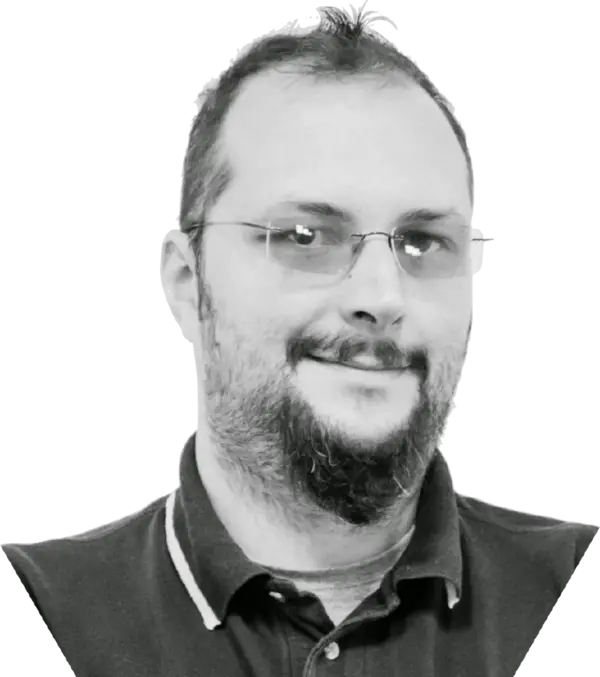
Portrait of Angelo Camesasca

Angelo Camesasca

Energy systems

Thermal engineer specialised in energy production systems. Technical director and project manager of a major Italian plant engineering company. Ten years in cogeneration and in the design and construction of machines for energy production.


Portrait of Federico Ciresola

Federico Ciresola

Robotics & control

Graduated in Computer Engineering and Control Systems Engineering at the University of Padua. PhD in Robotics Engineering at the Control and Robotics Laboratory (SPARCS) of the University of Padua.

Portrait of Michele Schio

Michele Schio

Mechanical & systems

Graduated in Mechanical and Control Systems Engineering through a double degree programme. Currently working as an avionic system engineer, with previous experience in the pharmaceutical and nuclear industries.

Questions

The things people ask first.

New panels or panels I already have?

Both. Whether you are installing a brand new solar system or already have panels on the roof, the system fits onto the array. It is modular, so it adapts to the layout of the site.

How much water does it use?

Very little, and in some configurations none at all. The environmental footprint stays low, which is the point: cleaning the source of clean energy should not cost you water.

Why not just call a cleaning service?

You can, and many do. The difference is frequency. A crew comes when you book them, and between two visits the panels are dirty for weeks. An automated system cleans as often as the site needs, including the day after a storm, without anyone having to remember.

What size of installation is it for?

Small and medium installations, from a house roof to a small park. Manual cleaning is usually only worth it on large industrial sites, which is exactly the gap the system is designed for.

Get in touch

Two ways to start the conversation.

Tell us which one you are and we will send back something worth reading, not a brochure.

Companies & investors

See the project from the inside

Patent details, where production stands, pricing, and how the business model works. If you install or operate PV plants, this is the conversation.

Business enquiry

PV plant owners

Get your energy saving report

Give us the size of your plant, where it is and when it was installed. We run it through our loss model and send back what dirt is costing you.

Request the report